This is in response to Uncle‘s response to this article.
First, we don’t need the new term “TDA” (Traditional Double Action). That’s the same as DA, which we’ve been using for a long time, as opposed to DAO. So we now have DA, DAO, and TDA. See the problem– So what does DA mean anymore? Do we now have to go back and revise all the old texts, adding the “T” in front of “DA”?
Anyway; I’ve never really understood the debate. If you have a DA and want to operate it as a SA, to avoid the “transition” then nothing is stopping you. Load it, put it on safe, and holster it cocked and locked, or ease the hammer down and then cock it before you shoot, just like your trusty, rusty old 1911. You need never encounter a DA pull unless you want to.
And for some reason this subject only comes up in a discussion of auto pistols. With revolvers, I don’t hear anyone complaining about all the double actions out there (and they’re always carried hammer down and have no safety switch). Does the “transition” no longer matter after you’ve thumbed the hammer back as opposed to having it cocked automatically? And you want to talk about light trigger pulls– you won’t find a lighter SA trigger than the one on a good factory-stock DA revolver.
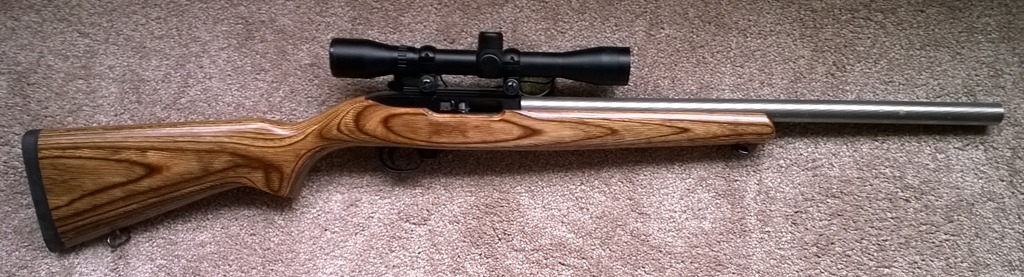
I’ve never understood why SA v DA is this huge f’ng issue when we’re talking pistols, but it never comes up with regard to long guns. The most popular sporting and defense rifle in America is SA, with no de-cock, and no one blinks or ever thinks to consider thinking about it. Same with the Mini-14, 30 Carbine, M-14, M1 Garand, AK, et al, ad infinitum– The hammer’s out of sight, so it’s out of mind, just like the Ruger Mark II/III which we also never discuss as being a SA with no de-cock.
So REALLY this is more of a public perception issue than anything else— If you can SEE the hammer AND it’s on an auto, we’ll argue about it, but if not, “derp”. I guess that’s why Daewoo came up with their goofy action such as on the DP51– It’s cocked and locked, just like your AR-15, but it LOOKS like the hammer’s down. The old Lever action rifles are of course single action, with no de-cock and no safety per se. It’s also a training issue, so make sure you practice with what you have.
One of the coolest designs I’ve owned was the Beretta TomCat. It’s DA and has a de-cocker, but with its tip-up barrel you can load or unload it without cocking the hammer, so I always carried it like a revolver (hammer down, off safe) and to un-load it you just tip the barrel up and drop the cartridge out. The little 32 ACP scared me though, so I traded it away.
At one time I thought it would be cool to have a DA AK or AR. You wouldn’t operate it or carry it any different from the SA versions, but the only difference would be that it would give you a second strike capability. Then I realized that cartridges that actually do fire on a second strike are a sub set of those that fail to fire on the first, and so in many cases you’d be wasting time on the second, or third, or fourth strike compared to chambering a fresh round. On several occasions I’ve hit primers so many times that they were mashed WAY into the primer pocket, or rotated rimfire rounds to hit another part of the rim, and they never did fire.