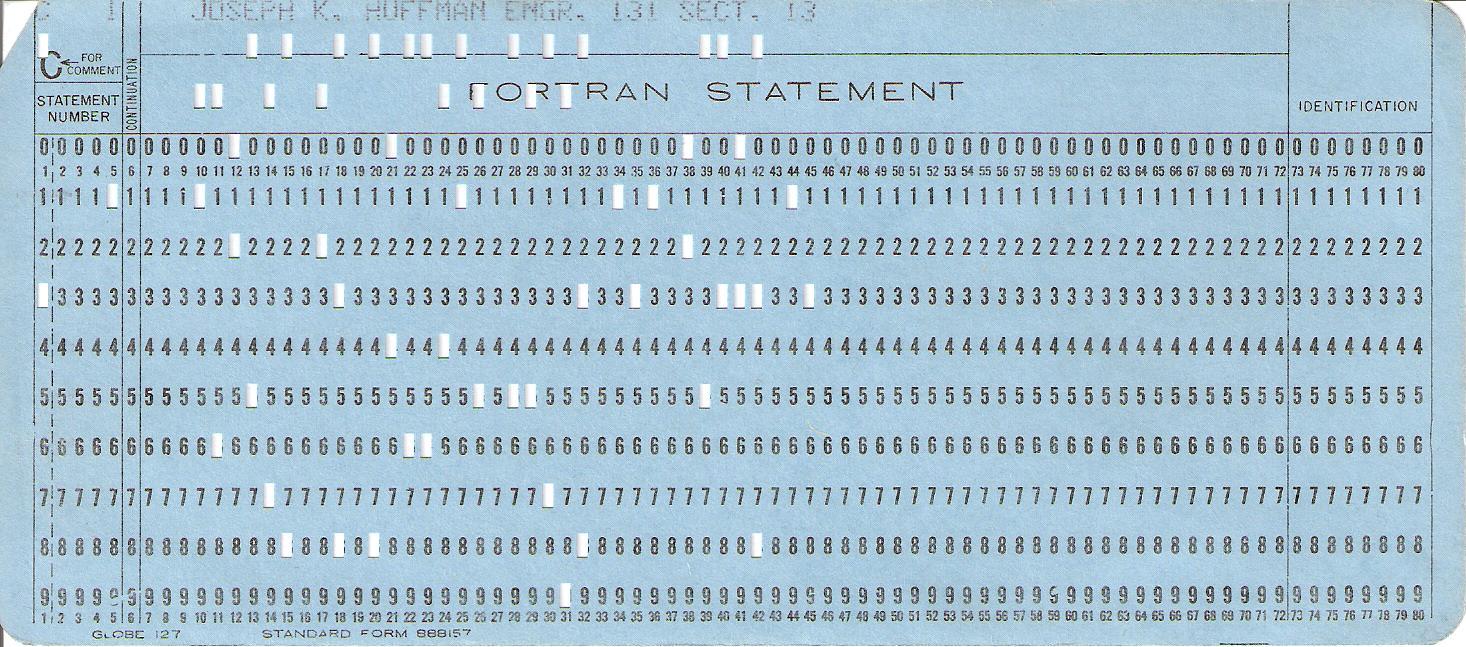
You know how to get a solution? First you create a problem.
Aravind Seshadri
April 15, 2009
[One of my favorite things about working at Microsoft is that I am surrounded by smart people–very smart people. Also knowing that some of the software I write will be used by, literally, a BILLION people is really, really cool. That and being part of the Borg means we get to rule the galaxy.
So, yesterday Aravind, Hiep, and I were discussing our plans for domination of the galaxy when Aravind told us the above. I burst out into laughter as my mind went flying into all the different directions implied by those two sentences. Here is a sample:
- Before you can solve a problem you have to define (create) it. Once it is accurately defined you can much more easily solve it.
- Most businesses sell “solutions”. The grocery store sells you a solution to your hunger problem, the electric company sells you a solution to your energy problem, etc. Before you can sell anything new you have to create a problem. Before there were telephones did the people know they had a communication problem? Before there were cars did the people know there was a transportation problem? Before there were diamond engagement rings did people know there was token of commitment problem? We create problems in people’s minds so they will buy our solutions. This applies to (perhaps especially in) politics, and personal relationships, as well as the business world.
- If you have a problem in “Area A” you may be able to solve it by creating a problem in “Area B”. For example, a scumbag is causing you discomfort by threating you with a knife and you want a solution to your discomfort. You create a fluid retention problem for him by inserting multiple jacketed hollow points into his thoracic cavity. You now have your solution.
- And my favorite, “There is no problem the proper application of high explosives can’t solve.”
-Joe]